

AI Research Stories
Learn more about some of the research happening around AI across Duke.

Duke University Sets New National Standard for Safe, Scalable AI in Health Care
Duke University School of Medicine researchers have developed two pioneering frameworks designed to evaluate the performance, safety, and reliability of large-language models in health care.
Published in npj Digital Medicine and the Journal of the American Medical Informatics Association (JAMIA), these studies offer a new approach to ensuring that AI systems used in clinical settings meet the highest standards of quality and accountability.

With $15 Million Grant, Duke Team Expands AI Tool to Predict Teen Mental Illness
A team at Duke University School of Medicine has received a $15 million grant from the National Institute of Mental Health to improve and expand an artificial intelligence (AI) tool that helps catch early signs of mental health problems in teenagers and adolescents.
The AI model, called the Duke Predictive Model of Adolescent Mental Health (Duke-PMA), analyzes data on behavior, emotions, and brain function to identify kids at high risk for mental illness even before symptoms appear. It looks at a range of easy to measure factors, like sleep patterns and family stress, and has already shown it can predict worsening mental health up to a year in advance with 84% accuracy in kids ages 10 to 15.

Duke Team Develops New Tool Cuts Protein Imaging Time from Months to Days
A major advance from Duke University researchers is transforming how we study proteins inside cells and could speed treatments for diseases like HIV and Parkinson’s. A new tool called nextPYP, developed by Associate Professor of Computer Science and Biochemistry Alberto Bartesaghi and his team at Duke, cuts protein imaging time from months to days.

Duke Researchers Identify Sustainability Challenges and Opportunities for Hyperscale Data Centers
Massive data centers powering the boom in artificial intelligence are increasing demand on the U.S. electrical grid and straining natural resources. A report released by Duke researchers from the Sanford School of Public Policy’s Deep Tech Initiative surveys the sustainability challenges these data centers present, examines potential solutions, and outlines pragmatic recommendations for companies, utilities, regulators and policymakers.

Want to 3D Print a Walking Robot? Just Ask Your Computer.
Developed by engineers at Duke University, Text2Robot is a novel computational robot design framework that allows anyone to design and build a robot simply by typing a few words describing what it should look like and how it should function.
“Building a functional robot has traditionally been a slow and expensive process requiring deep expertise in engineering, AI and manufacturing,” said Boyuan Chen, the Dickinson Faculty Assistant Professor of Mechanical Engineering and Materials Science, Electrical and Computer Engineering, and Computer Science at Duke University. “Text2Robot is taking the initial steps toward drastically improving this process by allowing users to create functional robots using nothing but natural language.”

A Tool That Helps Predict a Brain-Damaging Seizure
A team led by Duke computer scientist Cynthia Rudin created a tool with artificial intelligence to create a better way to quickly evaluate brain injury patients. The simple scorecard, used in hospitals everywhere, saves lives. Called “2HELPS2B,” it assigns points to patients based on the patterns found in their cEEG data. It quickly estimates a probability that a patient would have a seizure in a range from 5 to 95 percent.
“There was no model to do this before,” said Rudin, whose work was funded by the National Science Foundation and currently receives funding also from the National Institutes of Health.
AI Tool May Help Some Prostate Cancer Patients Avoid Hormone Therapy
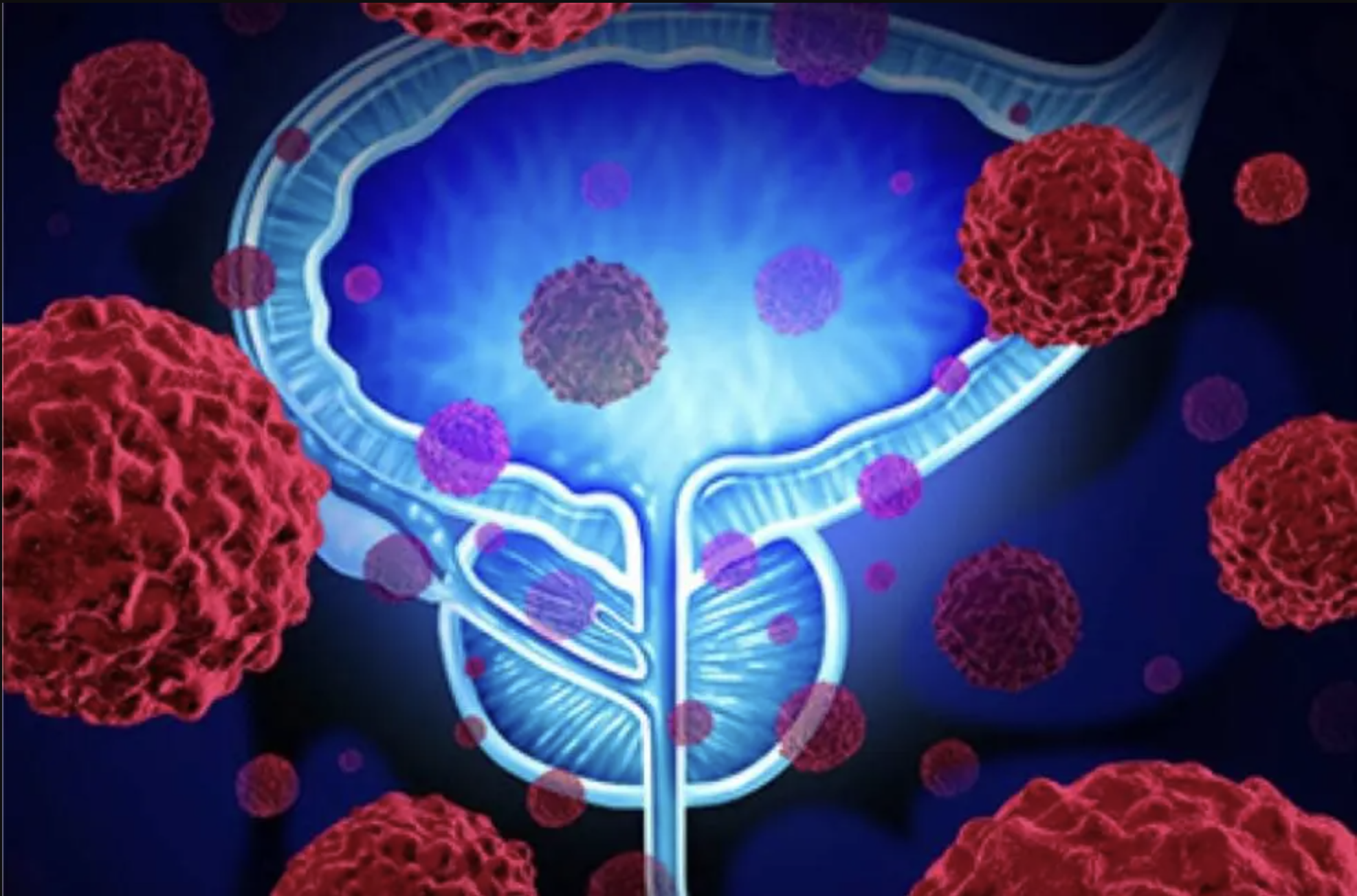
Researchers at Duke Cancer Institute, working with the health technology company ArteraAI, have developed a new artificial intelligence-powered biomarker that could help determine which patients need extended hormone therapy and which could safely avoid it.Using digitized biopsy samples from a large clinical trial of 1,000 patients, the team trained the AI model to spot patterns linked to long-term outcomes, like the risk of cancer spreading to distant parts of the body, a major factor in prostate cancer survival.

The AI That’s Finally Making Sense of Chronic Fatigue Syndrome
A new artificial intelligence tool, BioMapAI, is giving researchers a clearer picture of myalgic encephalomyelitis/chronic fatigue syndrome, or ME/CFS, by mapping the hidden biology behind the pain, dizziness, and exhaustion of the condition. The tool was developed by scientists at the Jackson Laboratory and Duke University School of Medicine and could lead to better diagnosis and treatment of a disease that has long been misunderstood, misdiagnosed, and, for many, dismissed.

New AI Product from Duke Professors Tackles Information Discovery and Synthesis
Duke faculty members Jon Reifschneider, Pramod Singh and team developed Inquisite from their work running the Artificial Intelligence for Product Innovation Master’s Program at Duke University’s Pratt School of Engineering. The AI-powered tool helps researchers and knowledge workers search and synthesize information across many sources, including scholarly papers, technical and scientific reports, and trusted sources on the web.

Honey, I Shrunk the Proteins
In August 2024, Duke University School of Medicine computational biologist Rohit Singh, PhD, posted on the social media platform X, “Introducing Raygun, a new approach to protein design.” He was talking about an artificial intelligence tool his team created to help biologists “shrink” or “expand” existing proteins.
Raygun is just one of several tools that Singh has built to help scientists work both faster and smarter to understand disease and ultimately develop better therapies.
Using Neural Networks to Precisely Model Social Behavior
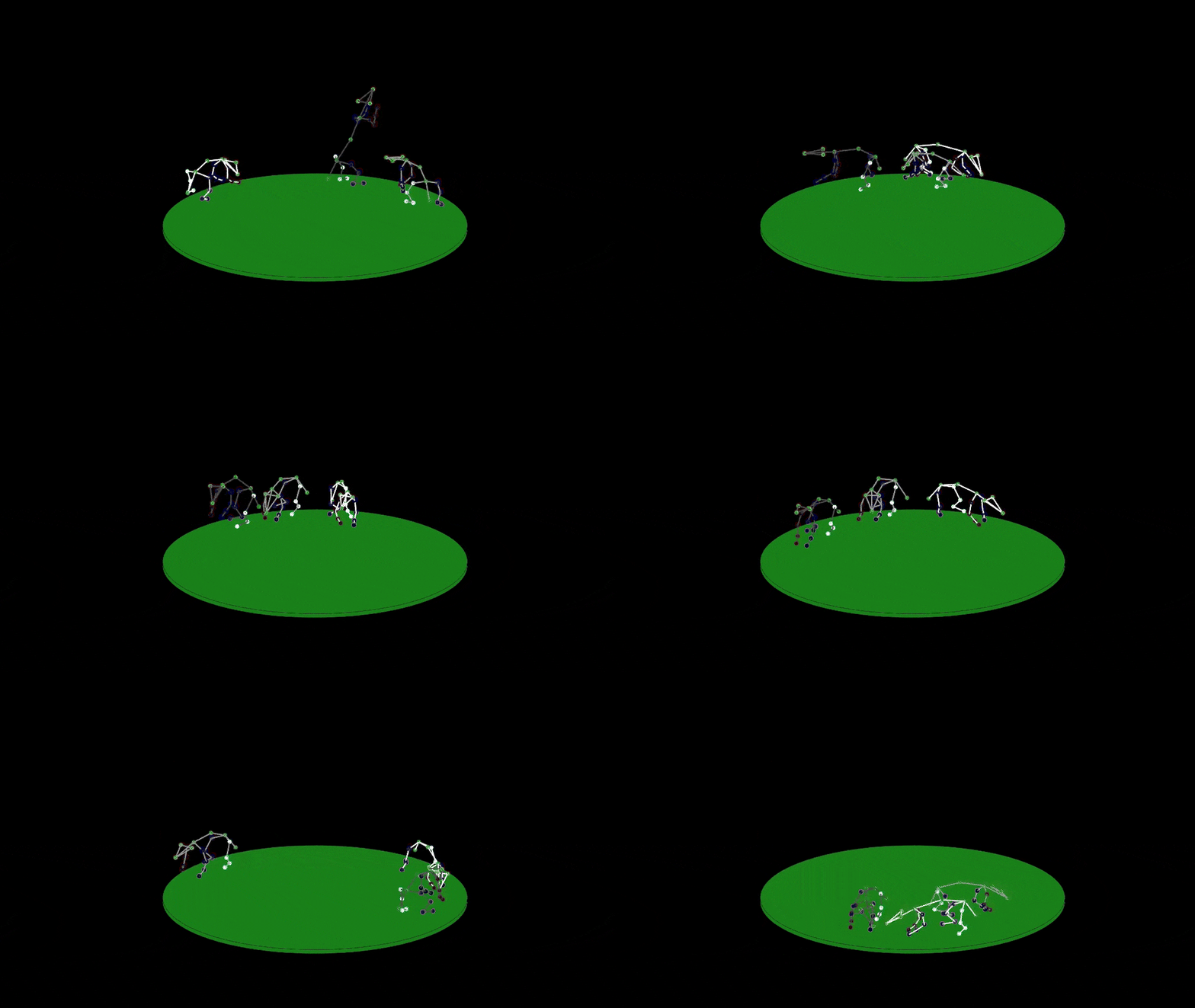
Biomedical engineers at Duke University have developed a 3D imaging method to precisely map and categorize the social behavior of animals, unlocking new ways to study behavioral disorders like autism and opening the door to studying new classes of neuropsychiatric disorders in lab animals. By quantitatively measuring the movements, interactions, and body contacts between rodents, the scientists were able reveal for the first time how several different genetic forms of autism affected social behavior in rats.

New AI Model Makes Drug Discovery Faster, Smarter, and More Transparent
A new algorithm could help researchers better predict how molecules bind to proteins —an essential step in designing more effective drugs to treat a wide range of diseases. Bruce Donald, PhD, James B. Duke Distinguished Professor of Computer Science and professor of biochemistry, and Yuxi (Jaden) Long, a former undergraduate in the Donald Lab and now a graduate student at Memorial Sloan Kettering Cancer Center, developed the Predicting Affinity Through Homology (PATH) model. PATH dramatically reduces the number of parameters required by traditional deep learning models, making the results simpler and easier to interpret.

Duke Researchers Develop AI System that Empowers Robots with Human-Like Perception
A new Duke-developed AI system fuses vision, vibrations, touch and its own body states to help robots understand and move through difficult in-the-wild environments. Researchers from Duke University have developed a novel framework named WildFusion to enable robots to “sense” complex outdoor environments much like humans do.
“WildFusion opens a new chapter in robotic navigation and 3D mapping,” said Boyuan Chen, the Dickinson Family Assistant Professor of Mechanical Engineering and Materials Science, Electrical and Computer Engineering, and Computer Science at Duke University. “It helps robots to operate more confidently in unstructured, unpredictable environments like forests, disaster zones and off-road terrain.”